|
Looking back on a better way
|
View this Thread in Original format
| dEsidEL |
| quote: |
Mar. 27, 2004. 11:49 AM
Looking back on a better way
Expansion was on the horizon from the moment Canada's first subway system opened in 1954
KEVIN MCGRAN
TORONTO STAR
When Michael Warren stands at the foot of Yonge St. and looks north, he's able to look 50 years into the past and admire the visionaries who understood what building a subway would mean to the city of Toronto.
But when Warren, the TTC's first chief general manager, looks along Queen St. or along Eglinton Ave. or the other parts of the city that were supposed to get subways, he simply wonders about what might have been.
"Public transit, but particularly fixed rail, influences urban form," says Warren, TTC chief from 1976 to 1981 before moving on to Canada Post. "It makes urban form more efficient, more environmentally friendly and more livable.
"The first subway took real initiative and foresight."
Around each station on the Yonge line there's a node of high-rise buildings. Farther away, density drops away as it morphs into single-family homes with lots of trees and green space. These nodes rise and fall as you go from station to station along Yonge.
"You see a type of urban form that is very efficient and one that allows for a variety of different commercial, retail and residential living," says Warren.
It was a concept city planners and the TTC followed through the 1960s and '70s, even into the '80s. But then politicians started worrying about budgets. And the gradual expansion of the subway system ground to a halt.
"We said in effect: `We just can't afford this,'" says Warren. "What we did was we allowed the car to take over in a very major way in terms of trips downtown; in terms of the way people go to work.
"We forgot about where transit fits in and instead looked at it in a very narrow way: `How much is it going to cost us to put that next stretch of subway in?' rather than say: `How much is it going to cost us not to do that, not to continue what we've done in the past?'
"We could have slowed subway expansion down a bit, but we didn't even do that. We just capped it off."
But what if we hadn't? What if money wasn't an object?
Well, one thing we'd have is a subway along Queen St., says Warren. And there would be a subway to Scarborough Town Centre, not the anomaly of the orphaned Scarborough Rapid Transit line. Warren fought for and lost the battle for both subways in the 1970s.
"A Queen line would really change the whole nature of that street that runs from one end of the city to the other and allow it to develop the way the Yonge line helped the north-south," says Warren. Instead, political interference ruled the roost.
The TTC was forced to build a Spadina line, blocking any more thought of a Spadina expressway, and the SRT line to boost an Ontario-backed technology that never caught on.
The TTC was well-funded — in comparison with today's hand-to-mouth budget — but it was under pressure to put subways where politicians wanted them instead of where they would best influence urban form.
"We were given the money to put a subway to nowhere; that was kind of wasteful," says Warren. "We were told that Downsview was going to be turned into a mini city, so we put this subway in there partly to block the Spadina expressway.
"But we were going to end up with a subway going to an urban node. Well, that node never developed.
"The next thing is, the commission argued we should have a subway go to Scarborough, but the province came along and said we'll give you the money for it but you have to use new technology. The whole idea was we were going to sell this technology around the world and Ontario was going to become the centre of this technology."
And if we didn't have political interference, we probably wouldn't have the Sheppard subway line, but we would have an Eglinton line that would stretch from Kennedy station in Scarborough perhaps all the way to the airport. The Eglinton line was started — a hole dug and filled in at a cost of about $80 million when funding was pulled.
"That's the subway that makes sense," says traffic expert Richard Soberman, a University of Toronto professor who did a landmark study of Metro's transportation needs in the 1970s. "A major east-west connector that parallels the Bloor-Danforth where you have the highest concentration of population."
It would be problematic now that the Sheppard subway is built, but "if we were starting with a clean slate I would have put it along Eglinton Ave., which is what I said in 1975."
Given what we have now, Soberman would certainly build a subway to York University, by using the Sheppard line. First, he'd build west from Sheppard and Yonge to connect that line to the Spadina line at Downsview, then build north to the university going up Keele to Steeles, as opposed to the TTC's long-term plan of going up Dufferin and across the Finch Hydro corridor.
"I'd go up Keele because that's where the people are," says Soberman. "When you go up Keele, you have some development opportunities by the tank farms. And you can access York University on a right of way that's vacant.
He sees a station at the north side of Steeles where "you could build the nation's biggest Park 'n Ride facility and tie it with Highway 407," encouraging folks who live in York Region to get out of their cars and take public transit downtown.
But even if money weren't an object, you wouldn't have subways running every which way, says Soberman, because the vast majority of TTC passengers — about 65 per cent — use buses and streetcars.
"On the one hand, we want to attract people out of their cars, but on the other hand we don't want to lose the people who are already using transit," says Soberman. "We have to improve the reliability and quality of the existing surface transit."
That means giving transit much more priority on street space: buses in their own lanes, getting green lights ahead of cars. And every streetcar would have its own right-of-way, not just those running along Spadina and Queen's Quay, says Soberman.
"It's really absurd to have a $3 million streetcar with 70 people sitting in traffic and waiting while a couple of cars are trying to turn left," says Soberman.
"We always try to say we're more like European cities than other North American cities. Well, when you go to these European cities, you see that surface transit has a lot of priority. They have exclusive lanes, they have pre-emptive signals. So if you speed up the service, you also lower the cost and provide more capacity and make it more attractive."
The TTC has two "official" plans for subway expansion: extending the Spadina line to York University and "completing" the Sheppard line to Scarborough Town Centre.
There are dreamers out there, who would put subways everywhere. In 1968, there was a suggestion from then North York mayor James Service to loop the Bloor-Danforth line by running north from Islington and Warden stations to the east-west hydro right of way near Finch Ave. The web site toronto.transit.on.ca, run by transit enthusiast James Bow, says the proposal was "laughed off the stage" because of the cost and low ridership expectations.
Another variation of that plan, proposed in 1985, would have seen a subway from Scarborough Town Centre along Sheppard to Spadina, where it would spike north to the hydro right-of-way near Finch, west to Highway 27 and south to Kipling.
There have been calls to run the subway to Mississauga and Richmond Hill, to help alleviate gridlock in the 905.
Environmentalists Plan Transportation recently came up with the idea of building a new subway line, South Toronto, from Royal York Rd. along the Gardiner-Queensway-King St.-Eastern Ave. in the first phase.
It envisions a grander network, with north-south lines from the Etobicoke North GO station, and from Sheppard East, south to this new subway. The Bloor-Danforth line would be extended to the West Mall.
But, sadly, money is an object. No one knows that better than Rick Ducharme, the chief general manager of the TTC. He's happy the purse strings do seem to be loosening, both at Queen's Park and on Parliament Hill.
His dream is to get the TTC back to where it was in 1989, when it carried 465 million riders, compared to the 405 million it carried in 2003, and build from there.
That means more buses, right away. It's the cheapest, quickest fix. At $500,000 each, a bus is one-sixth the price of a streetcar and can be ready for delivery in half the time.
And it was bus routes — especially in the outer rim of the city in Scarborough and Etobicoke — that took the biggest hit during the cutback days of the 1990s, so it's buses that need to be restored. Pronto. And while they're at it, he'd give buses a priority over cars — their own lanes, their own intersection signals — to get some cheap rapid transit going.
"Priority on the streets; that's what makes the most sense," says Ducharme. "You start getting rid of gridlock. That's really our job. We should be moving people out of their cars. What we need is more buses on the street in better priority."
But as Toronto's subway hits 50, Ducharme knows what ails the transit system is stunted subway growth.
People want subways. Politicians want subways. Ducharme almost flinches. "Subway expansion is a cautious thing to talk about."
He doesn't want to get people too excited. Subways are very expensive.
They make for nice ribbon cutting ceremonies. But yes, the city really needs it.
Ducharme says it's time that money were not an object. In the time Toronto built the six kilometres of the Sheppard subway, Madrid built 114 kilometres.
"If Madrid can build 114 kilometres in eight years, surely to God we can build those two subways (Sheppard to Scarborough Town Centre and Spadina to York University), which is a lot less than 114. We're talking a total of 30, not even a quarter of what they built.
"Canada is rich enough. Just look at what Montreal's done. We opened our subway long before Montreal did (in 1966). Just look at their system now.
"We're just falling behind."
If money were not an object, the TTC would truly be the better way. But if money had never been an object, the city would truly be incredible.
|
source:
http://www.thestar.com/NASApp/cs/Co...ol=969483202845
what aggrivates me the most, is not the fact that there isn't money for it .. it's that the fact that getting the funding arranged between the 3 levels of government is almost like pulling teeth.. esp. for the 4th largest city in North America
to think that we even wanted the Olympics now seems like a joke..
AMSTERDAM

ATHENS

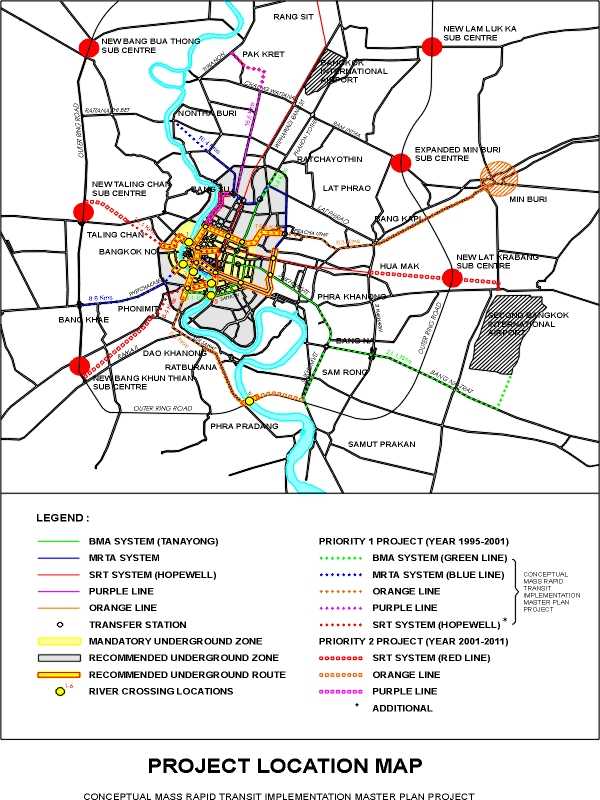
BANGKOK
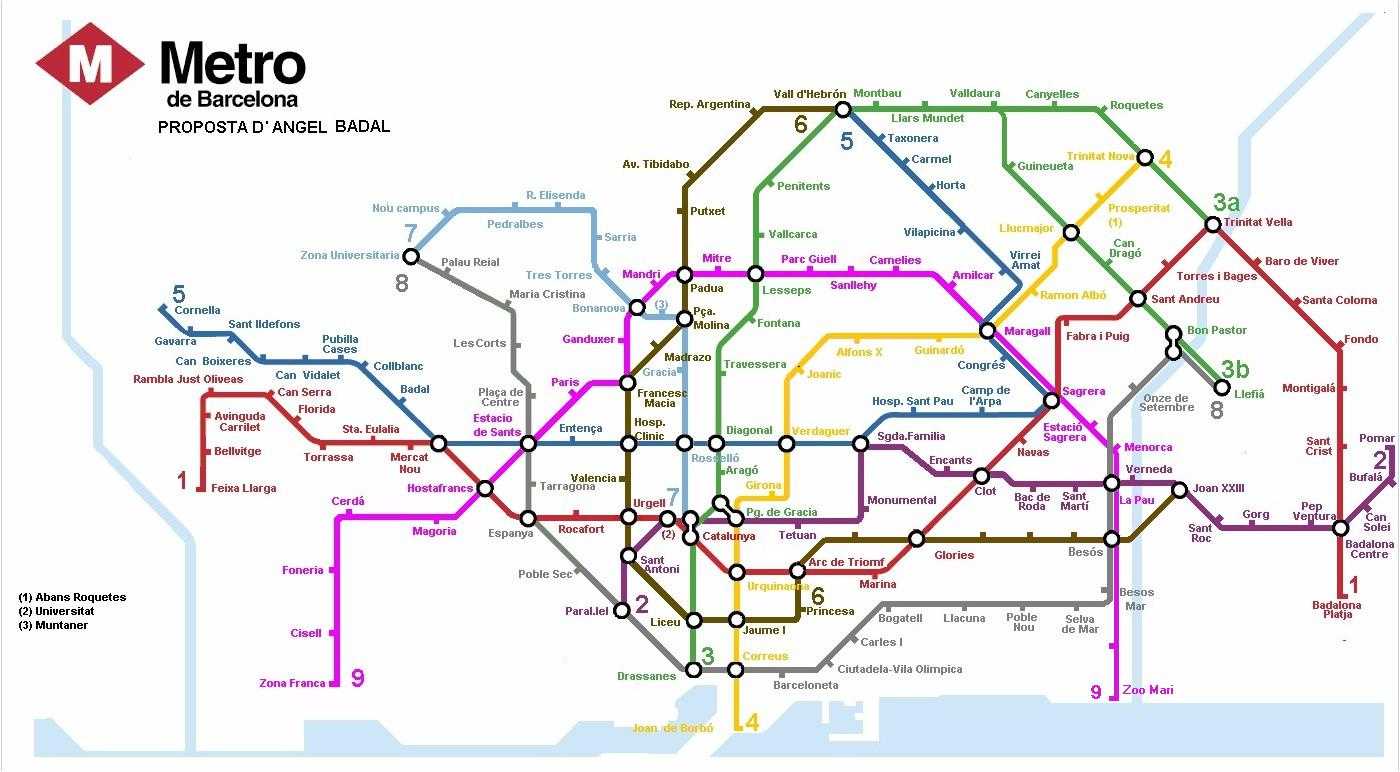
BARCELONA
BERLIN

BRUSSELS

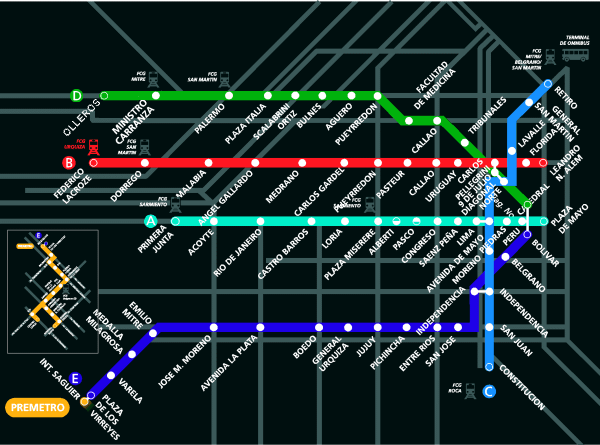
BUENOS AIRES
CHICAGO

DüSSELDORF

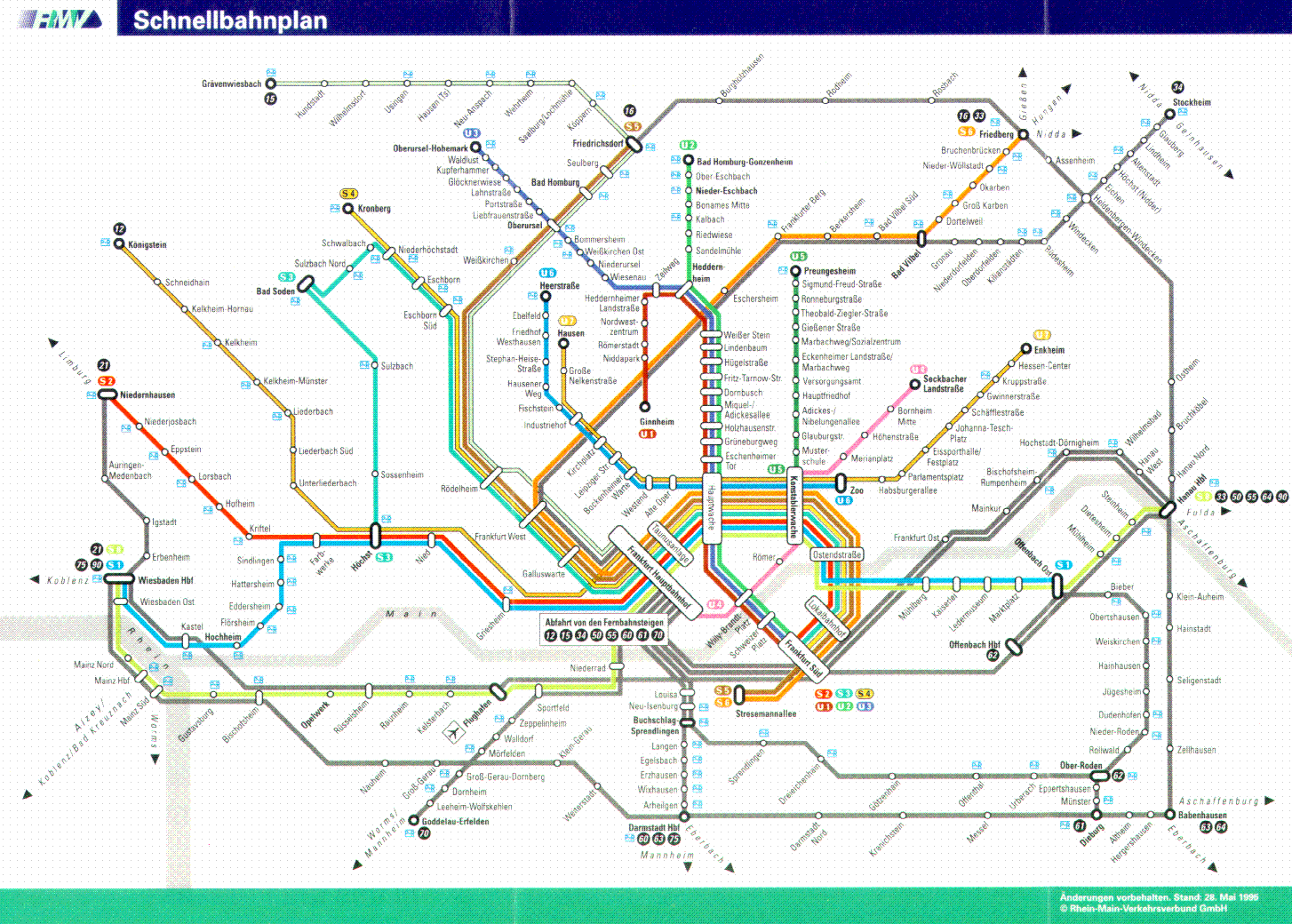
FRANKFURT
HAMBURG

HANOVER

HONG KONG

LONDON

LOS ANGELES

MADRID

MELBOURNE
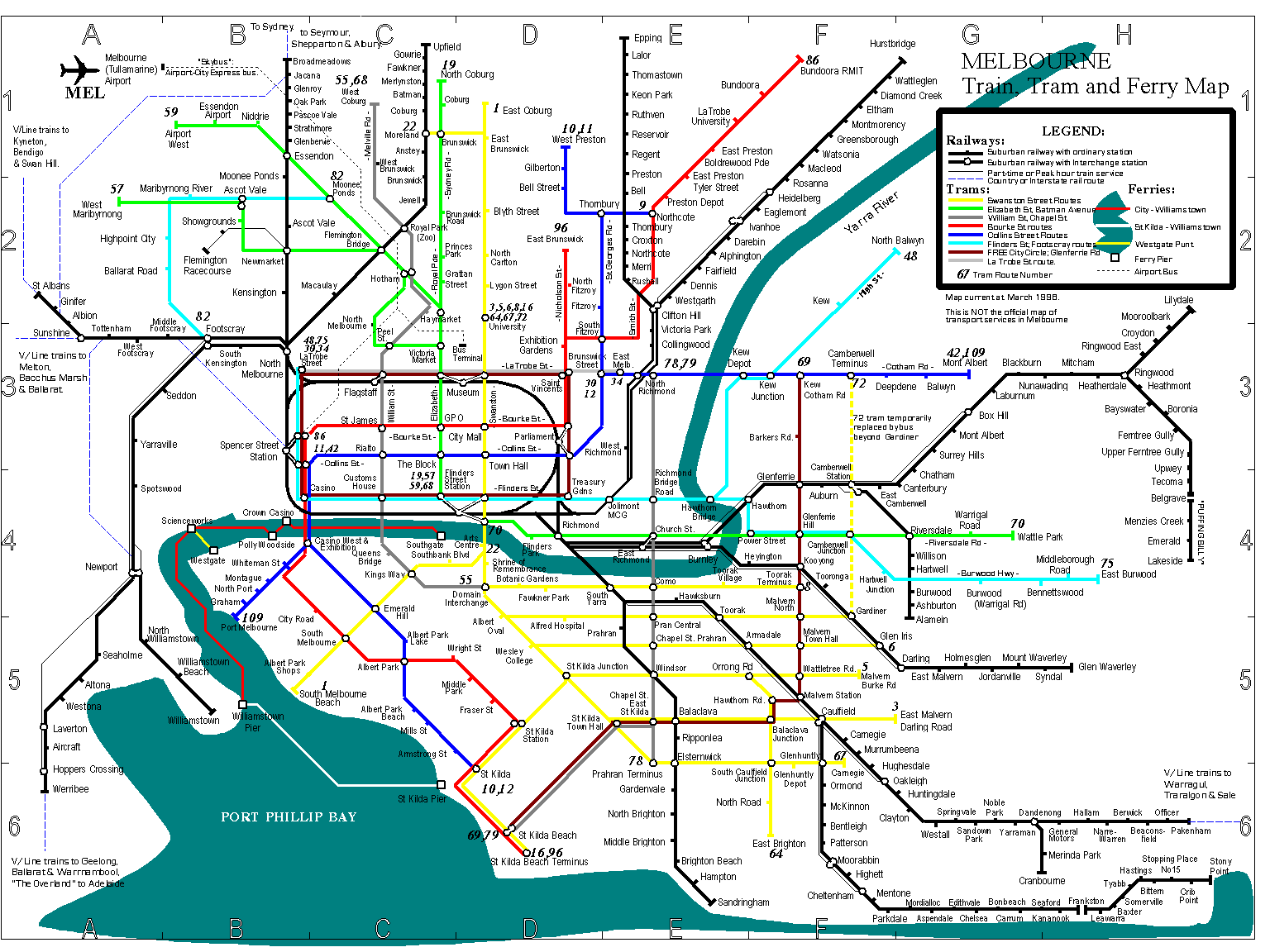
MEXICO CITY

MILAN

MOSCOW

MUNICH

NAGOYA

NAPOLI

NEW YORK


OSAKA

OSLO

PARIS

STOCKHOLM

SHANGHAI

SEOUL
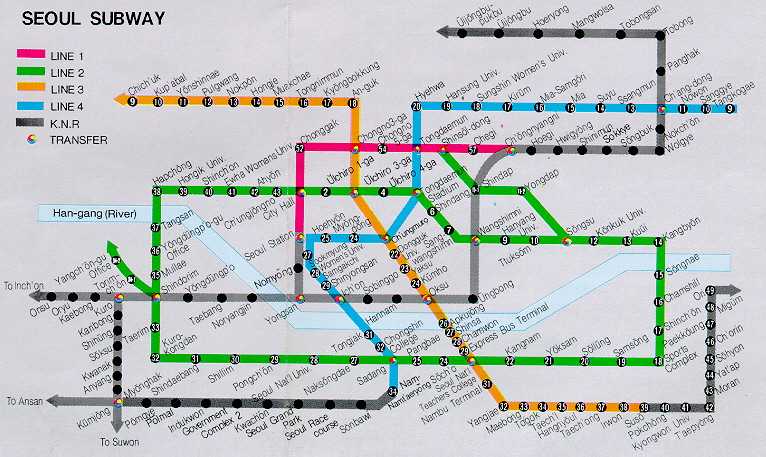
ST. PETERSBURG

STUTTGART

SYDNEY (click)
http://www.cityrail.info/networkmaps/mainmap.jsp
TOKYO

VIENNA

WASHINGTON D.C.

and... :whip: :whip: :whip:
MONTREAL

...
TORONTO

|
|
|
| loconet |
| You my friend, need a girl :D |
|
|
| dEsidEL |
| quote: | Originally posted by loconet
You my friend, need a girl :D |
you see what happens when u spend too much time on tranceaddict!!? :eyespop:
|
|
|
| Slag |
Emery, you are one crazy mother f.
Those other subway systems look so friggin confusing:eyespop: |
|
|
| Rocco |
man.. some of those networks are confusing.
see, Toronto's subway network is nice and simple. KISS (keep it simple silly) :p |
|
|
| Resnick |
| im sure toronto would have a system like that if it charged you like 30$ a ride..:rolleyes: damn london!! |
|
|
| Brindor |
I love Stockholm subway! Easiest subway to navigate ever! and it goes out in all directions of the city, *sigh* I wish Toronto was like that...
I remember going to Copenhagen and having to figure out the subway..all in Danish and trying to figure out what actually goes where in the middle of the night ^^;

Amusingly enough in Denmark they love smoking so much, you can smoke pretty much anywhere, including the subway and trainstations |
|
|
| dEsidEL |
| quote: |
He doesn't want to get people too excited. Subways are very expensive.
They make for nice ribbon cutting ceremonies. But yes, the city really needs it.
Ducharme says it's time that money were not an object. In the time Toronto built the six kilometres of the Sheppard subway, Madrid built 114 kilometres.
"If Madrid can build 114 kilometres in eight years, surely to God we can build those two subways (Sheppard to Scarborough Town Centre and Spadina to York University), which is a lot less than 114. We're talking a total of 30, not even a quarter of what they built.
"Canada is rich enough. Just look at what Montreal's done. We opened our subway long before Montreal did (in 1966). Just look at their system now.
"We're just falling behind."
If money were not an object, the TTC would truly be the better way. But if money had never been an object, the city would truly be incredible.
|
|
|
|
| rabbitjoker |
Dood - you ever leard of line wrap????
:crazy: |
|
|
| Superstar |
| quote: | Originally posted by Brindor
I love Stockholm subway! Easiest subway to navigate ever! and it goes out in all directions of the city, *sigh* I wish Toronto was like that... |
Sweden has much higher tax rates than Canada, that's a main reason why their subway is better.
And about Montreal... that city is in soooooo much debt it's not even funny.
I think Toronto does have its problems, but they're not as bad as they're made out to be. |
|
|
| LoCa |

Brussels!! 
Those are really easy lines too hehe It's impossible to get lost in there, i've been taking them by myself since i was 12 :D
It's also pretty cheap and very easy to rip off hehe I rarely pay when i go on the bus/tram/metro  |
|
|
|
|

