|
Irony (reference)
|
View this Thread in Original format
| diggerz |
Most Beffiting, as I have seen many people use the term irony quite casually. Not trying to come off as arrogant, just wanted to throw this in so people would use this as a reference or tool. :)
| quote: | Irony is not about reciprocity. If person A does thing X, and somehow it comes back and bites them in the ass, that is not ironic. If something happens to someone which would have been preventable had they not done some awful thing they did, that's not ironic. There is no irony in catching someone doing what they told others not to do, nor is there irony in something happening after someone suggested it wouldn't/couldn't. There is no irony in someone aspiring to better someone else by improving one facet and ending up with an even lesser result. There is no irony in trying to prevent something and thereby accelerating or worsening it. There is no irony in a situation being supported solely by the belief in a preconception about said situation. These things are coincidental, karmic, synchronous, biting, chiding, bittersweet, concurrent, foreshadowed, predictable, correspondant, cruel, telescoped and even occasionally educational. They are not ironic.
|
http://sc.tri-bit.com/Irony |
|
|
| elFreak |
 |
|
|
| elFreak |
| i googled guy s by accident:( |
|
|
| diggerz |
| quote: | Originally posted by elFreak
i googled guy s by accident:( |
good to see you haven't lost your touch. |
|
|
| Gen3r4l1ty |
| quote: | Originally posted by diggerz
If person A does thing X, and somehow it comes back and bites them in the ass, that is not ironic. |
But wouldn't that be covered under...
5. an outcome of events contrary to what was, or might have been, expected.
(5th dictionary entry for irony.) |
|
|
| diggerz |
| quote: | | Quoted from Article Irony is the use of words in a way to conceal true intention with literal intention. More clearly, irony is when you say one thing but mean another. |
GCSE MACBETH COURSEWORK ANALYSIS ON IRONY
http://www.123helpme.com/view.asp?id=7175
| quote: | One type of irony used in Macbeth is verbal irony. This is when a character says
one thing and means the opposite. Examples of this are when Macbeth says to Banquo,
“Tonight we hold a solemn supper, sir, And I’ll request your presence (III, i, 13-14)” or
when he says “Fail not our feast (III, i, 28).” Verbal irony makes the play more tragic
because, if the reader understands the irony of what a character is saying, then the reader can see the true nature and intentions of the character |
|
|
|
| MrJiveBoJingles |
Traditionally, irony is either:
(a) A discrepancy in awareness between two groups of people, as in dramatic or tragic irony in plays or movies -- usually when the audience has information unavailable to the characters.
(b) A discrepancy between surface-level meaning and intended meaning, as when people use "verbal irony" to communicate something different from or opposite to the literal meaning of what they're saying.
Today lots of people use it for two other kinds of discrepancies:
(c) A discrepancy between what people expect to happen and what actually does happen.
(d) A discrepancy between the intended purpose of an action or object and the actual effects resulting from the action or object. |
|
|
| diggerz |
excellent. all i'm trying to do is raise awareness so people will think twice before using the term irony .
Granted, times have changed and the english language has undergone some painful transformations over the years. It's always important to go back to the roots in order to understand the real meaning of a word. (imo) :) |
|
|
| jpisani |
| ...dontcha think. |
|
|
| elFreak |
| quote: | Originally posted by jpisani
...dontcha think. |
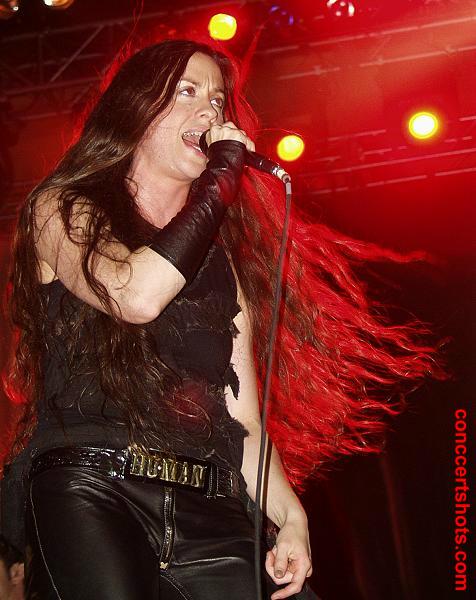 |
|
|
| XaNaX |
| quote: | Originally posted by elFreak
|
I loled |
|
|
|
|

