|
Educate me about Asterisk
|
View this Thread in Original format
| SuspicionVandit |
| I never heard of Asterisk |
|
|
| astroboy |

This thread is now about Asterix |
|
|
| Omega_Blue |
| quote: | Originally posted by astroboy
This thread is now about Asterix |
what about obelix? |
|
|
| boris_the_bear |
and fellow dog Dogmatix
 |
|
|
| Sushipunk |
| I always liked the bard, Histrionix. |
|
|
| Fledz |
Vitalstatistix!
 |
|
|
| Sushipunk |
| quote: | Originally posted by Fledz
Vitalstatistix!
|
Haha yes! |
|
|
| Domesticated |
| quote: | Originally posted by SuspicionVandit
I never heard of Asterisk |
Which is it?
You have never heard of Asterisk?
or
You had never heard of Asterisk?
What you said does not make sense, just as saying "I never seen that before" does not. |
|
|
| boris_the_bear |
| what's the difference? |
|
|
| n3lly |
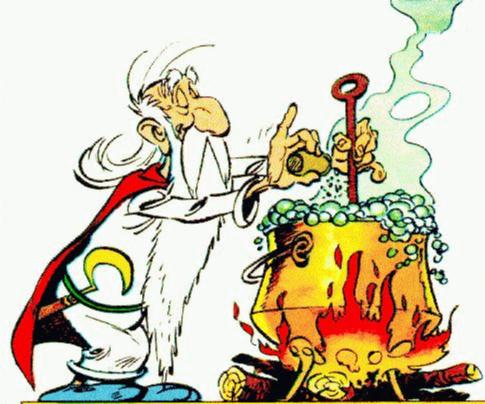
GETAFIX!!!!
 |
|
|
| Domesticated |
| quote: | Originally posted by boris_the_bear
what's the difference? |
His original sentence is ambiguous. It doesn't state when he first heard about Asterisk and sounds awful grammatically. I have noticed this one on the rise, particularly in America, and it is irritating.
Of the two examples I posted, the first is a sentence you would use on the spot, as it is the present tense. If someone said to you, 'do you like Asterisk?' You would say 'I don't know, I have never heard of him.' This says that up until that very point, you didn't know the name/character.
In the second example, it implies that up until some time ago, you had not heard of Asterisk but know of him now, prior to the questioner asking you about him, so the response would be 'I don't know, I had never heard of him (until last week).' This form is the past tense. |
|
|
|
|

